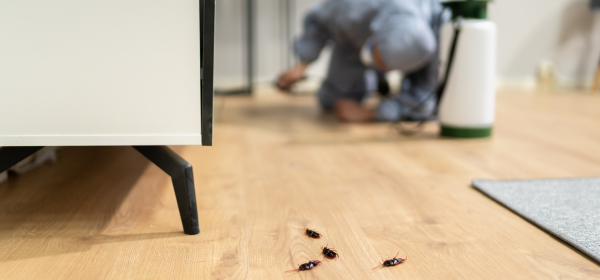
Cockroaches in Hawaii are a year-round battle. Unlike homeowners on the mainland who get a natural reprieve in winter when cold temperatures slow cockroach activity, Oahu residents face constant pressure from multiple species that breed continuously in the island's tropical climate. If you're dealing with cockroaches, here's what you need to know to get rid of them — and keep them gone.
Why Hawaii Has One of the Worst Cockroach Problems in the US
Hawaii's warm, humid conditions are essentially paradise for cockroaches. Year-round temperatures in the mid-70s to mid-80s mean roach populations never experience the cold-induced die-off that naturally controls infestations on the mainland. The result: cockroaches breed faster, populations grow larger, and infestations establish more quickly than almost anywhere else in the country.
Oahu is home to four main species. The American cockroach — the large reddish-brown one that sends people running — is common throughout the island. The German cockroach, smaller but far more prolific, is a serious problem in kitchens and bathrooms. The Surinam cockroach lives in garden soil and mulch, entering homes through potted plants. And the Brownbanded cockroach is found throughout homes, preferring dry, warm upper areas.
Signs You Have a Cockroach Problem
Before addressing how to get rid of cockroaches, confirm what you're dealing with. Key signs include:
- Droppings — look like black pepper or coffee grounds near baseboards, under sinks, and behind appliances
- Egg cases (oothecae) — brown capsule-shaped casings tucked behind furniture or in dark corners
- Musty, oily smell in cabinets, behind appliances, or in bathrooms
- Smear marks along baseboards and walls from their oily bodies
- Live or dead cockroaches seen during the day — daytime sightings mean the infestation is already large and harborage areas are overcrowded
Seeing cockroaches in your Oahu home? We offer same-day service across the island.
📞 Call (808) 555-0808DIY Cockroach Control Methods That Actually Work in Hawaii
Some DIY measures can reduce cockroach activity between professional treatments or address very minor infestations:
- Gel bait: Professional-grade gel baits applied inside cabinets, under appliances, and around drains are one of the most effective consumer options. Placement is critical — cockroaches won't travel far from harborage areas.
- Boric acid: Applied as a thin dust along baseboards and under appliances. Cockroaches that walk through it die within a few days. Use sparingly — a layer too thick and they'll avoid it.
- Eliminate food and moisture: Fix leaky pipes, store all food in sealed containers, clean up crumbs immediately, and empty pet food bowls overnight.
- Seal entry points: Caulk gaps around pipes, under sinks, and around window frames. In Hawaii's older housing stock, there are often numerous entry points that need addressing.
When DIY Isn't Enough
DIY has real limits in Hawaii. German cockroaches in particular are notoriously resistant to over-the-counter products and breed so rapidly — one female can produce hundreds of offspring per year — that any gap in treatment leads to rapid reinfestation. If you're seeing cockroaches during the day, in multiple rooms, or if DIY methods haven't produced results after a few weeks, professional treatment is the right call.
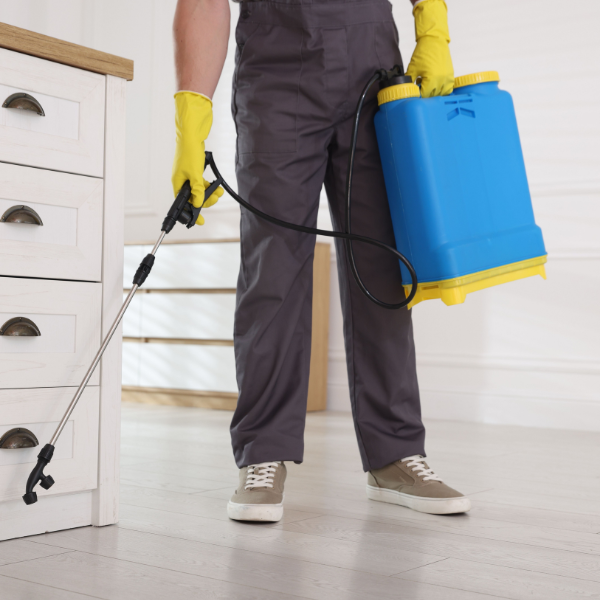
Professional cockroach control combines targeted gel baiting, residual insecticide application to all harborage sites, exclusion work, and follow-up visits to verify full elimination. A licensed Hawaii pest control technician identifies the species first — this matters because German cockroaches and American cockroaches respond to different treatment approaches.
Preventing Cockroaches from Coming Back
After treatment, ongoing prevention is essential given Hawaii's persistent pest pressure:
- Schedule quarterly or monthly pest maintenance with a licensed professional
- Keep yard and garden areas around the home clear of leaf litter and dense mulch (prime harborage for Surinam cockroaches)
- Check potted plants before bringing them indoors — especially soil and root balls
- Use door sweeps on exterior doors and seal utility penetrations
- Keep gutters clean and ensure good drainage around the home's perimeter
Want a recurring plan that keeps cockroaches out year-round?
Learn About Our Cockroach Control →